

Many people can control their blood pressure, cholesterol, blood sugar and weight with diet and activity. Some do have genetic risk factors that need medication — but even then, moving regularly means better control, and often less medication. Does it have to be 30 unbroken minutes? No. A lot of people believe exercise only counts if you keep your heart … Read More
Sunscreen: How to Choose It and Actually Use It Right
Summer in the Ozarks is hot, and the sunscreen aisle is overwhelming. Here is how to choose one and use it properly. Which SPF? SPF 30 or higher, broad-spectrum, water-resistant. That covers most people. If you burn easily, have very fair skin, or have a personal or family history of skin cancer, SPF 50 is a reasonable step up. Above … Read More
Pharmacogenomic Testing: What Your Genes Can (and Can’t) Tell Us About Medications
Your genetics decide your eye colour and your height. They also influence how your body processes medications — which is part of why one person does well on a particular antidepressant while another feels awful on the same dose, and why some people tolerate a statin while others get muscle aches. The science that studies this is called pharmacogenomics, often … Read More
Introducing Peanuts, Milk and Other Allergens to Your Baby
Nobody has time to sort through the constantly changing, conflicting advice on infant feeding — and Google makes it worse, not better. So here is the current version, plainly. The old advice was backwards For years parents were told to delay allergenic foods as long as possible. That advice has been reversed. There is no evidence that waiting past 4–6 … Read More
Health Insurance 101: What the Terms Mean and How to Choose a Plan
Open enrollment comes around every year, and every year patients ask us the same thing: how do I tell whether a plan is any good? So here is a plain-English explanation of what the terms mean, and how to actually compare plans. The terms, decoded Premium. What you pay every month to keep coverage active, whether you use it or … Read More
Protecting Your Eyes from the Sun: Sunglasses, UV Damage and Eclipses
Most of the sun damage your eyes take doesn’t happen during an eclipse. It happens on ordinary days — driving, fishing on Table Rock, working outside, sitting on a dock in July. UV exposure adds up over years, and by the time it shows up as a cataract or a growth on the surface of the eye, the damage is … Read More
Breastfeeding: My Real Story, and What I Tell New Moms
August is Breastfeeding Awareness Month, so I want to share my own breastfeeding story — not the tidy version. I usually keep these posts scientific, and there are medical facts and tips at the end. But first I want to tell you what it was actually like, because I think new moms hear the polished version far too often. My … Read More
Poison Ivy: What Actually Works (and What Doesn’t)
Around 85% of people are allergic to poison ivy, oak and sumac. Only about 10 to 15% seem genuinely unable to react. Here are the facts and the fictions, because there is a lot of confident misinformation about this plant. FICTION: “I’ve never gotten it, so I’m immune.” This is the one that catches people out. The reaction is an … Read More
Diet and Zero Sugar Sodas: Are They Actually Helping?
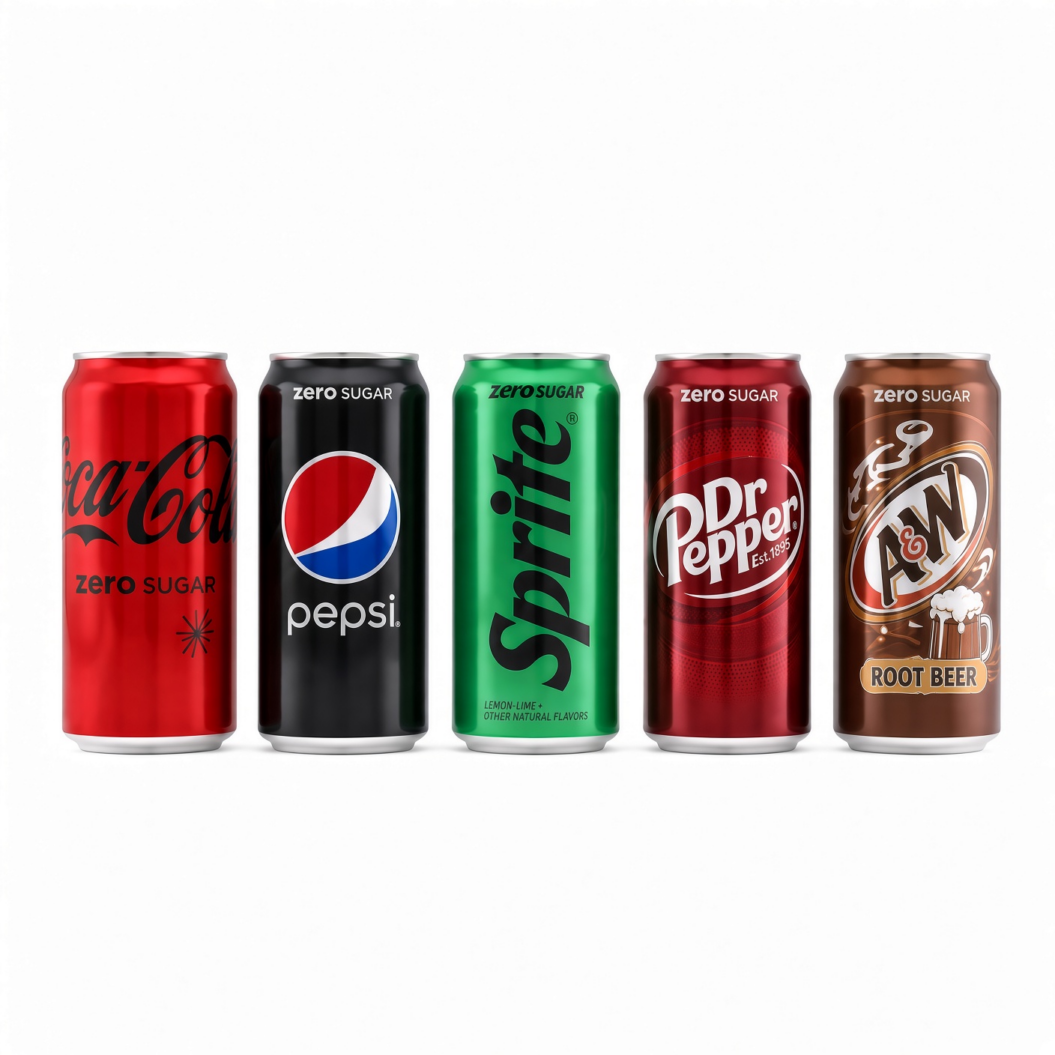
If you switched from regular soda to a diet or zero sugar version to cut calories, you have probably also seen a headline telling you those drinks are linked to stroke, dementia, or weight gain. So which is it? Here is what the research actually says — and what it does not. First: “zero sugar” and “diet” are the same … Read More